🇦🇪 United Arab Emirates · Country Export Guide
Dried Rose Petals, Rose Water, Herbs & Spices Exporter to the UAE
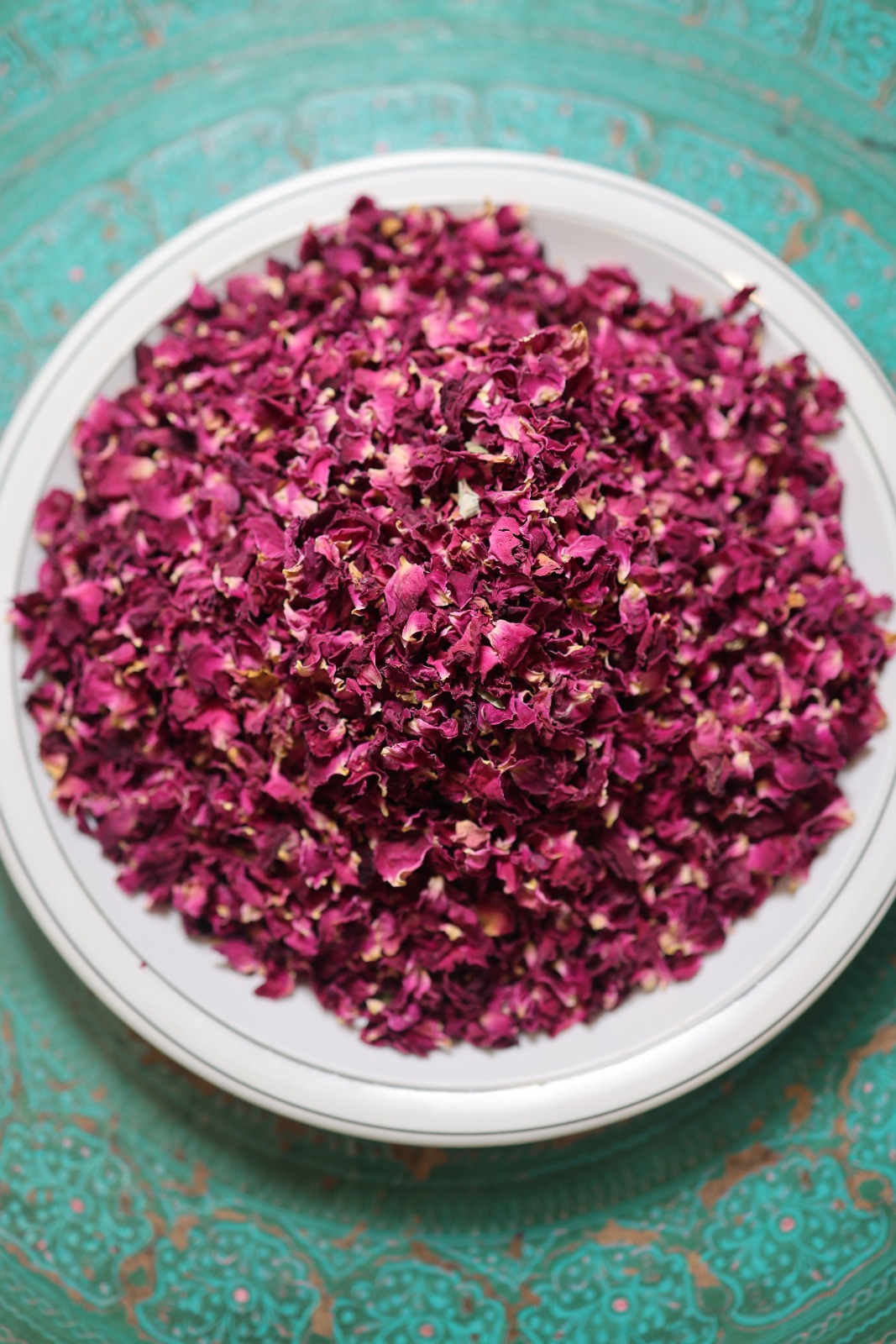
Pakistan's flagship bulk exporter of Rosa damascena dried petals, buds, powder, steam-distilled rose water, dried herbs and spices to Dubai, Abu Dhabi, Sharjah, Ras Al Khaimah, Ajman, Fujairah and Umm Al Quwain. FOB Karachi → Jebel Ali in 7–9 days. HACCP, ISO 22000, HALAL, ESMA-compliant. MOQ 100 kg. Free samples to UAE addresses.
UAE Buyer Summary
| Origin | Hyderabad, Sindh, Pakistan |
| Destination Ports | Jebel Ali (DXB) · Khalifa (AUH) · Sharjah (SHJ) · Air: DXB / AUH / SHJ |
| Sea Transit | 7–9 days from Karachi/Port Qasim |
| Air Transit | 2–3 days for samples + courier shipments |
| MOQ | 100 kg (petals/powder) · 50 kg (buds) · 200 L (rose water) |
| FOB Karachi (500 kg) | USD 7.20–8.00 / kg petals · USD 10.80–12.00 / kg buds · USD 3.20–6.20 / L rose water |
| HS Code | 0603.90 (petals/buds) · 1211.90 (powder if processed) · 3301.29 (rose water) |
| UAE Duty | 5% GCC unified tariff |
| Certifications | HACCP · ISO 22000 · HALAL · Phytosanitary · ESMA-compliant |
| Payment | T/T 30/70 · L/C at sight · USD or AED |
| Languages | English · Arabic · Urdu · Hindi |
The UAE Rose Petals & Herbs Import Market in 2026
The United Arab Emirates is the single largest per-capita importer of dried rose products in the world. Annual UAE imports of dried roses, rose water and rose-based ingredients exceed 2,400 metric tonnes, with Pakistan, Iran and Bulgaria as the three dominant origin countries. Pakistani Rosa damascena dominates the food-grade and HALAL-compliant segment — preferred by Emirati buyers for sweets manufacturing, traditional perfumery (attar), Arabic coffee and tea blending, hotel and spa amenities, and the rapidly-growing premium cosmetic sector centred in Dubai Free Zones.
The UAE is also one of the largest spice and herb re-export hubs in the world. Cumin, coriander, fennel, turmeric, dried chillies, sesame, and dried botanicals (chamomile, hibiscus, jasmine, rose) flow through Dubai's Jebel Ali Free Zone (JAFZA) and are re-exported across the GCC, Africa, South Asia and Europe. Pakistani agri-exporters who serve the UAE market unlock not only the Emirati domestic demand but also indirect access to Saudi Arabia, Oman, Kuwait, Bahrain, Qatar, Yemen and East Africa through DXB-based traders.
For commercial buyers, the UAE is the most efficient gateway in the Middle East: world-class port infrastructure at Jebel Ali, predictable customs clearance times (typically 24–72 hours for food shipments), GCC tariff harmonization, banking and L/C reliability, English and Arabic dual-language documentation, and a regulatory environment (Dubai Municipality + Abu Dhabi Agriculture and Food Safety Authority + ESMA) that is strict but transparent. If your import operations are already certified for UAE, scaling to the rest of the GCC is straightforward.
Top Applications of Dried Rose Petals in the UAE
- Traditional perfumery and attar (Sharjah, Dubai Souks, Deira). The UAE's perfume industry — particularly the attar houses of Sharjah and Deira — is a major buyer of high-fragrance Rosa damascena petals and buds. Rose is blended with oud (agarwood), sandalwood, musk and amber in traditional alcohol-free attars sold across the GCC and exported to Saudi Arabia, Kuwait and Bahrain.
- Gulkand and rose-petal preserves. Emirati and South Asian sweets manufacturers (Mawamy, Hassan Al Reyami, Patchi UAE, traditional kunafa houses) use food-grade dried rose petals to produce gulkand (rose-petal preserve), rose syrup, rose-petal jam and gulab jamun fillings. Bulk demand peaks during Ramadan and Eid.
- Rose water in Emirati and Levantine cuisine. Steam-distilled rose water (mai ward) is fundamental to UAE confectionery: baklava, knafeh (kunafa), basbousa, ma'amoul, qatayef, lokum (Turkish delight), kahwa Arabia (Arabic coffee), saffron rice (kabsa, biryani) and traditional sherbets. UAE imports an estimated 3.8 million litres of rose water annually.
- Hotel and spa amenities. Luxury Dubai and Abu Dhabi hotel chains — Burj Al Arab, Atlantis The Palm, Emirates Palace, Mandarin Oriental, Four Seasons, Anantara — source bulk dried rose petals for turn-down service, bath ceremonies, decorative arrangements, hammam treatments and amenity bottles of rose water.
- Wedding and event décor. Biodegradable confetti-grade rose petals (red, pink, white blends) are used by Dubai and Abu Dhabi wedding planners, event designers and floral studios for weddings, corporate events and royal ceremonies. Demand peaks October through April (cooler season weddings).
- Premium cosmetic manufacturing. Dubai Free Zone cosmetic brands (Huda Beauty, Mikyajy, Ousha, Areej, Lush Middle East regional production) use rose petal powder (mesh 80–100) and rose water as inputs for face masks, body powders, toners, mists and bath products.
- Unani, Ayurvedic and traditional Bedouin medicine. Pakistani and South Asian herbal-medicine practitioners in the UAE source pharmaceutical-grade dried rose buds and powder for traditional preparations.
- Tea and herbal beverage blending. Premium UAE tea brands blend whole dried rose buds and tea-grade petals into branded loose-leaf and pyramid sachet teas.
UAE Customs, HS Codes & ESMA Compliance
Dried rose petals and buds destined for the UAE classify under HS Code 0603.90.00 (cut flowers and flower buds, dried, dyed, bleached, impregnated or otherwise prepared — other). The GCC unified import tariff is 5% ad valorem on CIF value. Rose petal powder, if substantially processed for cosmetic or pharmaceutical use, may classify under HS Code 1211.90 (plants and parts of plants used in perfumery, pharmacy, or for insecticidal, fungicidal or similar purposes). Steam-distilled rose water classifies under HS Code 3301.29.00 (essential oils and their concentrates) or 3303.00 (perfumes and toilet waters) depending on formulation.
UAE customs require the following documentation packet at clearance:
- Commercial Invoice in English (USD or AED), signed and stamped by exporter
- Packing List showing carton count, net weight, gross weight, lot number, harvest date
- Bill of Lading or Air Waybill (original required at port; SWIFT copy accepted for express clearance)
- Phytosanitary Certificate issued by Pakistan's Department of Plant Protection (DPP)
- Certificate of Origin attested by Pakistan Chamber of Commerce and Industry
- HACCP and ISO 22000 certificates of the exporter's processing facility
- HALAL certificate issued by a recognised Islamic certification body
- Batch Certificate of Analysis (CoA) with moisture content, foreign matter, microbiological results, pesticide residue test
- ESMA compliance declaration — Emirates Authority for Standardization and Metrology
- Importer's UAE Trade License copy and Tax Registration Number (TRN)
For Dubai-destined cargo, clearance occurs at Jebel Ali via the Dubai Customs Mirsal 2 electronic system — documentation submitted in advance can clear cargo within 6–24 hours. Abu Dhabi-destined cargo clears at Khalifa Port via the Abu Dhabi Customs electronic platform. The Dubai Municipality Food Inspection Section may sample-test the first shipment for any new importer or new product line — this is a one-time process.
Shipping Karachi → UAE: Routes, Transit Times & Costs
Indicative rates for 2026 subject to fuel surcharge, peak season surcharge, and exchange rate fluctuation.
Premium Products for UAE Buyers
- Dried Rose Petals (Food Grade A1) — Rosa damascena, hand-selected, deep red color retention. MOQ 100 kg.
- Dried Rose Buds (Whole, Tea Grade) — Hand-harvested unopened buds 1.5–2.5 cm. MOQ 50 kg.
- Rose Petal Powder (Cosmetic Grade Mesh 80) — Vacuum-sealed, micro-fine. MOQ 100 kg.
- Rose Water (Steam-Distilled) — Pure Rosa damascena hydrosol. 1L glass / 5L / 25L / 200L drums. MOQ 200 L.
- Dried Herbs & Spices — Cumin, coriander, fennel, fenugreek, turmeric, cardamom, cinnamon, sesame, flaxseed, chamomile, hibiscus, jasmine.
Frequently Asked Questions — UAE Buyers
What is the FOB Karachi price for dried rose petals delivered to UAE?
Indicative 2026 FOB Karachi pricing for dried rose petals at 500–999 kg is USD 7.20–8.00/kg, dropping to USD 6.20–7.00/kg at 10,000 kg+ annual contract. CIF Jebel Ali typically adds USD 850–1,100 for a 20-ft container or USD 1,400–1,700 for a 40-ft container plus marine insurance.
How long does shipping from Karachi to Jebel Ali take?
Sea freight from Karachi (KHI) or Port Qasim (PQM) to Jebel Ali (DXB) takes 7–9 days transit plus 3–5 days for cargo loading and documentation. Air freight to Dubai International is available at 2–3 days for sample shipments under 50 kg.
What UAE customs documents are required?
Commercial Invoice, Packing List, Bill of Lading, Phytosanitary Certificate, Certificate of Origin, HACCP and ISO 22000 certificates, batch CoA, HALAL certificate, ESMA declaration, and the UAE importer's Trade License and TRN. Customs duty is 5% GCC unified tariff on CIF value.
Are your dried rose petals HALAL certified for UAE buyers?
Yes. Every shipment ships with a HALAL certificate from a recognised Islamic certification body, valid in UAE and across the GCC. Facility is HACCP and ISO 22000 certified.
Do you supply rose water in bulk drums?
Yes. Steam-distilled rose water in 200-litre food-safe HDPE drums. MOQ 200 L first order, 1,000 L repeat. FOB Karachi USD 3.20–6.20 per litre.
Can I get a free sample shipped to Dubai?
Yes. 50–100g sample sachets free of charge to UAE addresses. Buyer covers DHL/FedEx air freight (USD 60–80 to Dubai). Samples ship within 24–48 hours of request.
Do you also export herbs and spices to UAE?
Yes. Cumin, coriander, fennel, turmeric, dried chillies, fenugreek, cardamom, cinnamon, sesame, basmati rice, dried fruits, chamomile, hibiscus, jasmine. Combined-product container shipments save 18–25% per unit landed.
🇦🇪 الإمارات العربية المتحدة · دليل المستوردين
مصدّر بتلات الورد المجففة وماء الورد والأعشاب والتوابل إلى الإمارات
المُصدّر الباكستاني الرائد لـورد الدمشقي (Rosa damascena) بتلات مجففة، براعم كاملة، مسحوق ناعم، ماء ورد مقطّر بالبخار، وأعشاب وتوابل بالجملة إلى دبي، أبوظبي، الشارقة، رأس الخيمة، عجمان، الفجيرة وأم القيوين. الشحن من كراتشي إلى جبل علي خلال ٧ إلى ٩ أيام. شهادات HACCP و ISO 22000 و HALAL ومتوافقة مع ESMA. الحد الأدنى للطلب ١٠٠ كجم. عينات مجانية إلى عناوين الإمارات.
سوق استيراد الورد والأعشاب في الإمارات ٢٠٢٦
تُعدّ الإمارات العربية المتحدة أكبر مستورد لمنتجات الورد المجفف في العالم نسبةً لعدد السكان. تتجاوز واردات الإمارات السنوية من الورد المجفف وماء الورد ٢٤٠٠ طن متري، حيث تتصدر باكستان وإيران وبلغاريا بلدان المنشأ الرئيسية. يُهيمن الورد الدمشقي الباكستاني على شريحة الجودة الغذائية والمتوافقة مع شريعة الحلال — وهي الخيار المفضّل لدى المستوردين الإماراتيين لصناعة الحلويات والعطور التقليدية (العطر والعود) والقهوة العربية والشاي وخدمات الفنادق والمنتجعات الفاخرة وقطاع مستحضرات التجميل المتنامي بسرعة المتمركز في مناطق دبي الحرة.
الإمارات أيضاً واحدة من أكبر مراكز إعادة تصدير التوابل والأعشاب في العالم. الكمون والكزبرة والشمر والكركم والفلفل الأحمر والسمسم والنباتات المجففة (البابونج والكركديه والياسمين والورد) تتدفق عبر منطقة جبل علي الحرة (جافزا) وتُعاد تصديرها إلى دول مجلس التعاون الخليجي وأفريقيا وجنوب آسيا وأوروبا.
أهم استخدامات بتلات الورد المجففة في الإمارات
- العطور التقليدية وصناعة العطر (الشارقة، أسواق دبي، ديرة). صناعة العطور في الإمارات مشترٍ رئيسي لبتلات وبراعم الورد الدمشقي عالية الرائحة. يُمزج الورد مع العود وخشب الصندل والمسك والعنبر.
- الجلكند ومربيات بتلات الورد. مصانع الحلويات الإماراتية تستخدم بتلات الورد المجففة لإنتاج الجلكند وشراب الورد ومربى البتلات وحشوات جلاب جامون. الطلب يبلغ ذروته خلال رمضان وعيد الفطر.
- ماء الورد في المطبخ الإماراتي والشامي. ماء الورد المقطّر بالبخار أساسي في الحلويات الإماراتية: البقلاوة والكنافة والبسبوسة والمعمول والقطايف والقهوة العربية وأرز الكبسة.
- خدمات الفنادق والمنتجعات الصحية. سلاسل الفنادق الفاخرة في دبي وأبوظبي — برج العرب وأتلانتس النخلة وقصر الإمارات وماندارين أورينتال وفور سيزونز — تشتري بتلات الورد المجففة بالجملة.
- زينة الأعراس والمناسبات. الكونفيتي القابل للتحلل الحيوي من بتلات الورد يستخدمه مخططو الأعراس في دبي وأبوظبي.
- صناعة مستحضرات التجميل الراقية. العلامات التجارية في مناطق دبي الحرة تستخدم مسحوق بتلات الورد (شبكة ٨٠-١٠٠) وماء الورد كمكونات لأقنعة الوجه والتونرات.
- الطب اليوناني والأيورفيدي والبدوي التقليدي. ممارسو الطب العشبي في الإمارات يشترون براعم ومسحوق الورد ذات الجودة الصيدلانية.
- مزج الشاي والمشروبات العشبية. العلامات التجارية للشاي تمزج براعم الورد الكاملة في الشاي الفاخر.
الجمارك الإماراتية ورموز HS وامتثال ESMA
تُصنّف بتلات الورد المجففة والبراعم تحت رمز HS ٠٦٠٣.٩٠.٠٠. التعريفة الجمركية الموحدة لدول مجلس التعاون الخليجي هي ٥٪ على القيمة CIF. مسحوق بتلات الورد المُعالج للاستخدام التجميلي قد يُصنّف تحت رمز HS ١٢١١.٩٠. ماء الورد المقطّر بالبخار يُصنّف تحت رمز HS ٣٣٠١.٢٩.٠٠.
الوثائق المطلوبة:
- الفاتورة التجارية باللغة الإنجليزية
- قائمة التعبئة موضحاً عدد الكراتين والوزن الصافي والإجمالي ورقم الدفعة
- بوليصة الشحن أو وثيقة الشحن الجوي
- شهادة الصحة النباتية من إدارة حماية النباتات الباكستانية
- شهادة المنشأ المصدّقة من غرفة التجارة الباكستانية
- شهادات HACCP و ISO 22000
- شهادة الحلال من هيئة تصديق إسلامية معترف بها
- شهادة التحليل للدفعة (CoA)
- إعلان امتثال ESMA
- نسخة من رخصة الاستيراد ورقم التسجيل الضريبي للمستورد
المنتجات المتميزة للمستوردين الإماراتيين
- بتلات الورد المجففة (درجة A1 الغذائية) — الحد الأدنى ١٠٠ كجم.
- براعم الورد المجففة الكاملة — الحد الأدنى ٥٠ كجم.
- مسحوق بتلات الورد (درجة تجميلية شبكة ٨٠) — الحد الأدنى ١٠٠ كجم.
- ماء الورد (مقطّر بالبخار) — الحد الأدنى ٢٠٠ لتر.
- الأعشاب والتوابل المجففة — الكمون والكزبرة والشمر والكركم والهيل والقرفة والبابونج والكركديه.
Article maintained by Usman Hayat, Export Director, Kohenoor International. UAE buyer questions in English or Arabic: WhatsApp +92 310 4929292 · export@kohenoorint.com